

The standard consistency test of cement is one of the most important laboratory tests in civil engineering. It helps determine how much water is required to make a cement paste of standard consistency. This value is essential before carrying out other tests such as setting time, soundness, and strength tests.
Whether you are a civil engineering student, lab technician, site engineer, or construction professional, understanding the standard consistency of cement is important for proper material testing and quality control.
In simple words, it tells us how much water is needed to make cement paste of normal plasticity.
It is mainly used:
The water percentage at which the plunger penetrates to 5 to 7 mm from the bottom of the mould is called the standard consistency of cement.
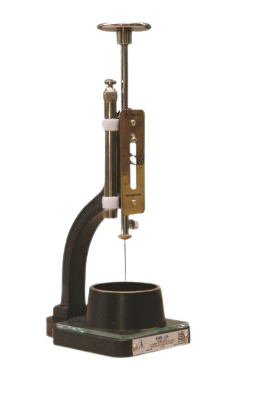
The Vicat apparatus is the main instrument used to determine the standard consistency of cement. It consists of a movable rod, plunger, scale, mould, and base plate.
For example, if 400 g of cement is taken:
• 24% water = 96 ml
• 25% water = 100 ml
• 26% water = 104 ml
The corresponding water percentage is the standard consistency of cement.
Weight of cement = 400 g
Weight of water = 112 g
Then,
𝑃 = 112 *100/400 = 28%
So, the standard consistency of cement is 28%.
The standard consistency test result is usually written as: “The standard consistency of the given cement sample is P%.”
This case the "The standard consistency of the given cement sample is 26%."
However, the actual value of Standard Consistency of Portland Cement may vary based on:
The standard consistency test of cement is a fundamental laboratory test used to determine the amount of water needed to prepare a cement paste of normal consistency. It is carried out using the Vicat apparatus and plays a key role in further cement tests such as setting time and soundness.
For civil engineers, lab assistants, and students, understanding the procedure, formula, apparatus, and precautions of the standard consistency test is essential for accurate cement quality assessment. A properly conducted test ensures reliable results and helps maintain consistency in construction material testing.
If you are studying building materials or working in a construction lab, mastering the standard consistency of cement test is one of those core basics that pays off everywhere.
Whether you are a civil engineering student, lab technician, site engineer, or construction professional, understanding the standard consistency of cement is important for proper material testing and quality control.
What Is the Standard Consistency of Cement?
The standard consistency of cement is the percentage of water required to prepare a cement paste that allows the Vicat plunger to penetrate to a point 5 to 7 mm from the bottom of the Vicat mould.In simple words, it tells us how much water is needed to make cement paste of normal plasticity.
Why Is the Standard Consistency Test of Cement Important?
The consistency test of cement is important because it helps determine the correct quantity of water needed for preparing cement paste for standard laboratory tests. Without this value, the results of other cement tests may not be accurate.It is mainly used:
- To determine the water content required for a cement paste of normal consistency
- To prepare cement paste for initial and final setting time tests
- To support soundness and compressive strength testing
- To maintain uniformity in cement testing procedures
Which IS Code Is Used for the Standard Consistency Test of Cement?
The standard consistency test of cement is commonly carried out as per IS 4031 (Part 4). This code specifies the method for determining the quantity of water required to produce cement paste of standard consistency.What Is the Principle of the Standard Consistency Test of Cement?
The test works on the principle that when cement paste is mixed with the correct amount of water, it offers a standard resistance to penetration. This is measured by allowing the Vicat plunger to penetrate the paste.The water percentage at which the plunger penetrates to 5 to 7 mm from the bottom of the mould is called the standard consistency of cement.
Which Apparatus Is Used in the Standard Consistency Test of Cement?
Vicat apparatus is used in testing the Standard Consistency of CementWhat Is the Vicat Apparatus?
The Vicat apparatus is the main instrument used to determine the standard consistency of cement. It consists of a movable rod, plunger, scale, mould, and base plate.
What Is the Size of the Plunger Used in This Test?
A 10 mm diameter plunger is used for the standard consistency test.What other tools are required along with the Vicat Apparatus to determine the standard consistency of the given cement?
Other tools include:- Vicat mould
- glass plate
- weighing balance
- measuring cylinder
- stopwatch
- trowel or mixing tray
Cement's Standard Consistency Test Procedure
The procedure for the standard consistency test of cement is simple but must be carried out carefully to obtain accurate results.Step 1: Take Cement Sample for the Standard Consistency Test
Take 400 grams of cement and weigh it properly.Step 2: Add a Known Percentage of Water to the cement for the Standard Consistency Test
Add a measured quantity of water, usually starting from 24% to 27% of the weight of cement.For example, if 400 g of cement is taken:
• 24% water = 96 ml
• 25% water = 100 ml
• 26% water = 104 ml
Step 3: Prepare Cement Paste for the Standard Consistency Test
- Mix the cement and water thoroughly on a non-porous surface. The mixing should be completed within 3 to 5 minutes.Step 4: Fill the Vicat Mould with the cement paste for the Standard Consistency Test
Place the Vicat mould on a glass plate and fill it completely with the prepared cement paste. Slightly shake the mould to remove air voids, and smooth the top surface.Step 5: Lower the Vicat Plunger
Bring the Vicat plunger in contact with the top surface of the paste and release it gently.Step 6: Observe Penetration
Note the depth of penetration of the plunger into the cement paste.Step 7: Repeat the Test to find out the Standard Consistency
Repeat the test with different percentages of water until the plunger penetrates to a point 5 to 7 mm from the bottom of the mould.The corresponding water percentage is the standard consistency of cement.
How Is the Standard Consistency of Cement is Calculated ?
Suppose:Weight of cement = 400 g
Weight of water = 112 g
Then,
𝑃 = 112 *100/400 = 28%
So, the standard consistency of cement is 28%.
What Is the Observation Table for the Standard Consistency Test of Cement ?
A sample observation table is given below:| Trial No. | Weight of Cement (g) | Water Added (%) | Water Added (ml) | Penetration from Bottom |
| 10 mm | 400 | 24 | 96 | 10 |
| 8 mm | 400 | 25 | 100 | 8 |
| 6 mm | 400 | 26 | 104 | 6 |
]
From the above table, the standard consistency is 26% because the plunger penetrates to 6 mm from the bottom of the mould.The standard consistency test result is usually written as: “The standard consistency of the given cement sample is P%.”
This case the "The standard consistency of the given cement sample is 26%."
What Precautions Should Be Taken During the Standard Consistency Test of Cement?
The following precautions should be observed:- Use fresh and lump-free cement
- Clean the apparatus before use
- Measure water accurately
- Mix the paste quickly and uniformly
- Perform the test immediately after mixing
- Fill the mould completely without air voids
- Release the plunger gently
- Repeat trials carefully for correct penetration
What Is the Usual Value of Standard Consistency of Portland Cement?
The standard consistency of ordinary Portland cement generally lies between 26% and 33%. However, the exact value depends on the type and fineness of cement.However, the actual value of Standard Consistency of Portland Cement may vary based on:
- Type of cement - Different types of cement, such as OPC, PPC, or rapid hardening cement, may have different consistency values.
- Fineness of Cement - Finer cement particles require more water, increasing standard consistency.
- Age of cement - Old cement requires more water to achieve standard consistency
- Storage conditions - Cement exposed to moisture may partially hydrate and change water demand.
- Presence of additives - Blended cement may need a different amount of water compared to ordinary cement.
- Temperature and Humidity - Environmental conditions can slightly influence mixing and paste behavior.
Why Is the Standard Consistency Test Needed Before Other Cement Tests?
The standard consistency test is needed before other tests because many cement tests require paste prepared with a specific water content. It ensures that setting time, soundness, and other test results are obtained under standard and comparable conditions.What Are the Advantages of the Standard Consistency Test of Cement?
The test has many advantages:- it is simple and easy to perform
- it requires basic laboratory equipment
- it helps standardize cement testing
- it improves the reliability of test results
- it is widely used in civil engineering laboratories
What Are the Limitations of the Standard Consistency Test of Cement?
This test also has a few limitations:- It is a laboratory test and may not exactly represent field conditions
- Results depend on careful handling
- Small errors in water measurement or penetration reading can affect the final result
The standard consistency test of cement is a fundamental laboratory test used to determine the amount of water needed to prepare a cement paste of normal consistency. It is carried out using the Vicat apparatus and plays a key role in further cement tests such as setting time and soundness.
For civil engineers, lab assistants, and students, understanding the procedure, formula, apparatus, and precautions of the standard consistency test is essential for accurate cement quality assessment. A properly conducted test ensures reliable results and helps maintain consistency in construction material testing.
If you are studying building materials or working in a construction lab, mastering the standard consistency of cement test is one of those core basics that pays off everywhere.

